

Cricket Exceed: Deep Dives into Modern Cricket
Scroll through any live score app, and every match can start to look the same: runs, wickets, overs, maybe a worm graph if you’re lucky. But if you watch closely, you know there’s more going on—powerplay gambles, match‑ups, data‑driven field settings, and players adapting on the fly.
That “hidden layer” is what we’ll call Cricket Exceed: a way of going beyond surface‑level scores to truly understand modern cricket.
In this guide, you’ll see what Cricket Exceed means in practice, why deeper analysis matters in today’s formats, and how you—without advanced software—can start thinking like a smart analyst while still enjoying the game. We’ll keep it simple, conversational, and grounded in real trends from international cricket and major leagues.
What Is Cricket Exceed?
Cricket Exceed is a mindset and content style that goes beyond basic scorecards to connect tactics, data, and human factors in modern cricket.
When we say Cricket Exceed, we’re not just talking about one website or app. Think of it as a framework for looking at cricket in more depth:
- You still care about the score.
- But you also ask why the game is moving in a certain direction.
- You connect decisions (team selection, bowling changes, match‑ups) to outcomes.
In other words, Cricket Exceed is about:
“Exceeding” a simple scoreboard and exploring the stories, numbers, and strategies behind every over.
You don’t need to be a coach to use this approach. It’s for:
- Fans who want smarter conversations.
- Students who want better cricket projects.
- Creators who want to explain the game, not just describe it.
Why Deep Dives Matter in Modern Cricket
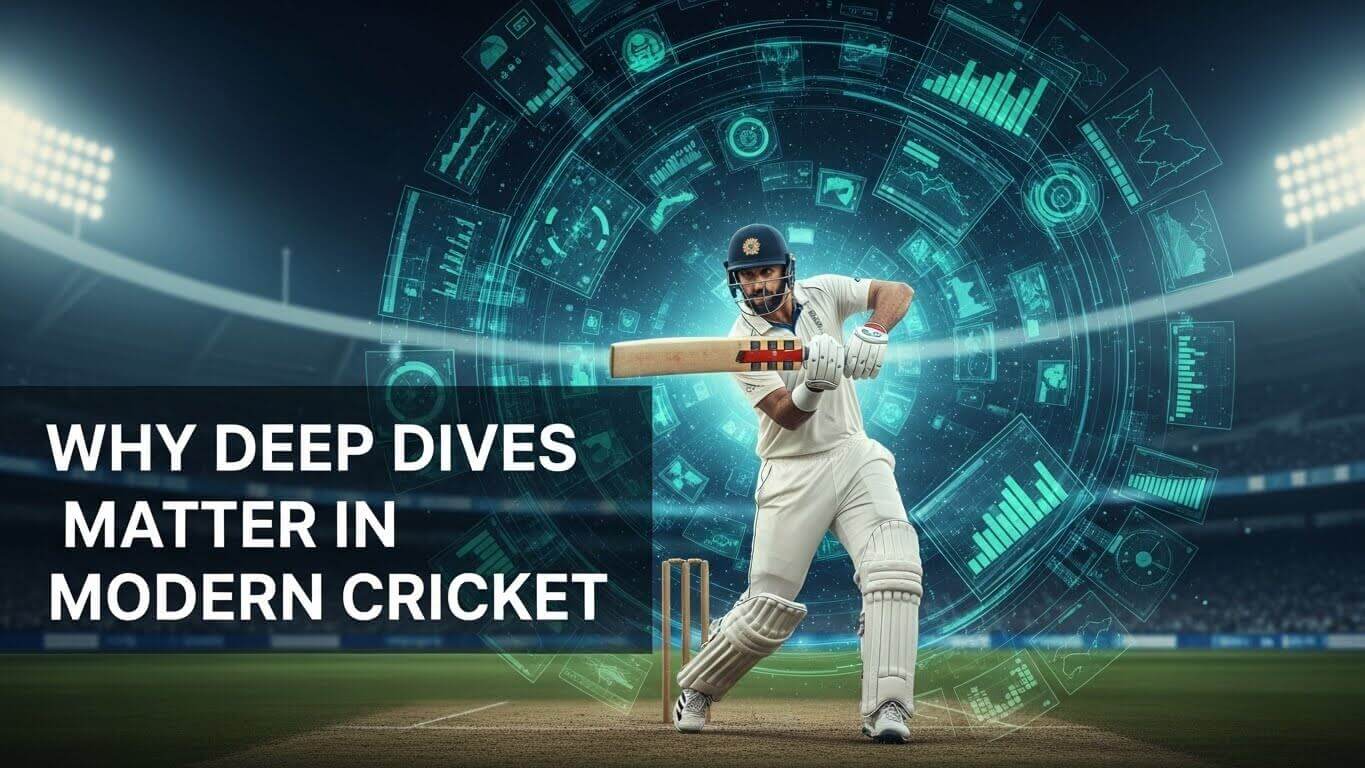
With more formats, more matches, and more data, surface‑level viewing leaves a lot unexplained; deep dives help fans and players make sense of it all.
Cricket has changed faster than many realise
Over the last two decades, cricket has exploded in volume and variety:
- T20 leagues around the world
- Women’s international cricket is growing in visibility
- Packed ICC event calendars
Formats now demand different skills and strategies. A batter who thrives in Tests might struggle in T20s if they don’t adapt their intent. Bowlers must think about match‑ups, boundary sizes, and phase‑specific roles.
Data and technology are everywhere
According to the ICC and major media coverage, top teams now use:
- ball‑tracking (Hawk‑Eye)
- video analysis systems
- GPS and wearable tech for fitness
- analysts providing match‑up and phase data
If you only look at the scoreline, you miss how those tools influence decisions.
Fans want more than “who won”
Modern fans in India, the UK, Australia, and beyond often:
- Check why a chase collapsed,
- Compare strike‑rates and economy rates,
- Argue about bowling changes and batting orders.
Cricket Exceed exists for that audience—the people ready to move from “they lost” to “here’s how they lost.”
The Four Pillars of the Cricket Exceed Approach

Deep analysis rests on four connected pillars: tactics, data, psychology, and conditions.
To take a Cricket Exceed view of a match, you look at four angles at once:
1. Tactics and game plans
- How teams structure their batting order
- Which bowlers do they use in which phases
- Field placements and match‑up choices
2. Data and analytics
- Strike‑rates by phase (powerplay, middle overs, death)
- Boundary percentage vs dot‑ball percentage
- Head‑to‑head numbers for key players
Major analytic services like CricViz and ESPNcricinfo’s data tools popularised this style.
3. Psychology and decision‑making
- How captains handle pressure
- Whether a batter sticks to their strengths or panics
- How teams bounce back from a bad over
4. Conditions and context
- Pitch pace and bounce
- Ground dimensions and wind direction
- Dew factor, weather, and day/night differences
Each pillar alone is interesting. Together, they explain why a 160 chase is easy on one night and impossible on another.
Tactics Reimagined: How Teams Win in the 2020s
Modern tactics focus on phases, roles, and match‑ups rather than just “best XI” thinking.
Phases over positions
Instead of just picking the “best” batters and bowlers, teams now ask:
- Who is best for overs 1–6 (powerplay)?
- Who controls overs 7–15 (middle overs)?
- Who closes overs 16–20 (death)?
This phase-based thinking is visible in both international T20s and major leagues like the IPL and The Hundred, which often publish powerplay and death‑over stats for viewers.
Role clarity matters more than reputation
A star Test opener may not be an ideal T20 powerplay hitter if they start slowly. A bowler who excels with the new ball might struggle at the death.
Cricket Exceed asks:
- Is this player being used in their best role?
- Are the team’s roles overlapping or leaving a gap?
Match‑ups: left vs right, pace vs spin
Analysts often highlight match‑ups such as:
- Left‑handers vs off‑spinners
- Big hitters vs short boundaries on one side
- Certain batters are struggling against high pace or wrist spin
When a captain brings on a specific bowler as soon as a particular batter walks in, that’s a match‑up in action.
Data & Analytics: From Scorecards to Smart Questions
Numbers are useful when they answer clear questions; Cricket Exceed turns raw stats into insight.
Which numbers matter most?
For everyday fans, a few metrics go a long way:
- Batting: average, strike‑rate, boundary %, dot‑ball %
- Bowling: economy rate, strike‑rate (balls per wicket), dot‑ball %
- Team: powerplay runs, death‑over runs conceded, middle‑overs control
Websites like ESPNcricinfo and official ICC stats pages host these numbers.
Asking better questions
Cricket Exceed encourages you to ask:
- Is this batter’s high strike‑rate boosted by one or two big innings?
- Does this bowler keep runs down but rarely take wickets?
- Does this team collapse often after the 10th over?
When you frame a question first, you’re less likely to drown in unnecessary data.
Visuals that help, not confuse
Graphs like:
- run rate over time,
- projected scores,
- and wagon wheels
It can be powerful when kept simple. A clean run‑rate graph shows when a chase stalled. A wagon wheel reveals whether a batter scored mostly on one side, hinting at strengths and fielding plans.
Player Development in the Cricket Exceed Era
Modern players grow up with T20, technology, and year‑round cricket, so their development paths look very different from past generations.
Specialisation vs versatility
Players increasingly fall into:
- Specialists (e.g., red‑ball only, T20 finishers),
- Hybrids who adapt across formats.
Boards like the BCCI and ECB now manage workloads carefully for multi-format stars, balancing Test, ODI, T20I, and franchise commitments.
Cricket Exceed analysis asks:
- Is this player being overused across formats?
- Are they optimised for the roles they play?
Skills shaped by T20
Younger batters now practice:
- Scoops, ramps, reverse‑sweeps,
- Range‑hitting is a core skill.
Bowlers train:
- Slower-ball variations,
- Yorker accuracy,
- Wide‑line tactics at the death.
This shift is backed by coaching trends reported in coaching manuals and interviews around T20 leagues.
Fitness and fielding standards
Modern cricket demands higher fitness levels and fielding standards than in earlier eras. National boards often publish fitness benchmarks (like yo‑yo test thresholds) to set clear expectations.
Deep dives look at:
- How improved fielding saves runs,
- When fitness affects fast‑bowler longevity,
- Just how these marginal gains change match outcomes.
Fan Experience: Watching Cricket with a Deeper Lens
A Cricket Exceed mindset turns you from a passive viewer to an active reader of the game, without stealing the fun.
More informed, not more stressed
It’s easy to fear that analysis will ruin the magic. In practice, a deeper understanding often:
- Makes close games more exciting,
- Gives you reasons behind collapses and comebacks,
- Fuels more nuanced debates with friends.
Better conversations and fewer hot takes
Instead of “He’s finished” after one failure, you might say:
- “His strike‑rate in the middle overs is dipping; maybe he needs a clearer role,” or
- “They keep sending him too low in the order.”
Those aren’t coach‑level comments, but they are smarter than pure rage.
Content creation opportunities
If you run a small channel, blog, or fan page, Cricket Exceed thinking helps you:
- Build proper match previews and reviews,
- Use stats responsibly (with sources),
- Stand out from basic score reposts.
How to Start Doing Your Own Cricket Exceed Analysis
You don’t need complex tools; a few free sources and consistent habits can level up your understanding.
Step 1: Use trusted data sources
Stick to established platforms:
- ICC for official international stats and rankings.
- ESPNcricinfo for scorecards, stats, and commentary.
- Cricbuzz for match reports and stats summaries
Avoid treating random social media graphics as facts unless they link back to a scorecard.
Step 2: Focus on one question per match
Pick a simple question such as:
- Did Team A lose because of a slow power play or a bad death overs phase?
- Did this batter get out by repeating the same mistake?
- Did the captain miss an obvious match‑up?
Watch—or rewatch—highlights with that one question in mind.
Step 3: Note down three key stats
After each game, jot down:
- Powerplay score and wickets
- Middle‑overs dot-ball and boundary pattern
- Death‑over runs scored or conceded
Over time, you’ll see patterns: which teams regularly start slow, which sides finish strong, and which pairs of players create decisive match‑ups.
Step 4: Compare impressions with commentators and analysts
Read or watch post‑match analysis from experts on major outlets (e.g., BBC Sport, ESPNcricinfo, national broadcasters).
Ask:
- Did they see the same turning point you did?
- What did they notice that you missed?
This loop improves your Cricket Exceed instincts.
Limitations & Ethical Questions Around Deep Analysis
Data and tactics are valuable tools, but they can be misused or overvalued if you ignore uncertainty and human elements.
Data is never the full story
Numbers summarise what happened; they don’t guarantee what will happen next.
- Conditions change.
- Players adapt.
- Small sample sizes mislead.
Being honest about these limits builds trust, whether you’re a fan or a content creator.
Privacy and data use
As technology tracks more player movement and biometric data, there are real questions about:
- How that data is stored,
- Who has access,
- How it affects contracts and selection.
Sports science and ethics discussions increasingly emphasise these concerns, although cricket‑specific policies are still evolving.
Avoid turning cricket into only probabilities
Win probabilities and models are useful, but they shouldn’t erase the joy of surprise. Cricket’s appeal partly comes from shock upsets and individual brilliance that breaks the model.
Cricket Exceed should enhance your enjoyment, not turn matches into spreadsheets.
The Future of Modern Cricket Through the Cricket Exceed Lens
Future cricket will likely feature smarter tactics, deeper integration of women’s and associate cricket, and more accessible analysis tools for everyday fans.
Smarter tools in more hands
As technology becomes cheaper, expect:
- More accessible tracking tools for domestic and club cricket,
- Better visualisations for TV and streaming audiences,
- AI‑assisted summaries that surface key moments.
The key will be usability—Cricket Exceed‑style content that stays understandable.
Growth of women’s cricket and new markets
The ICC and national boards continue to invest in women’s cricket and new cricketing regions.
Deep dives will increasingly:
- Spotlight women’s leagues and players,
- Analyse associate teams with the same seriousness as full members,
- Help fans understand different development pathways.
Format balance and player welfare
With packed calendars, there is an ongoing debate about:
- how many leagues a player can realistically manage,
- the future of the bilateral ODI series,
- and whether new formats (like The Hundred) keep expanding.
Cricket Exceed analysis can contribute by putting evidence into these discussions: workload charts, injury patterns, and performance trends across formats.
Final Thoughts
Cricket Exceed is not a single app or website. It’s a way of watching cricket that goes beyond the bare score to connect tactics, data, psychology, and conditions.
You don’t need advanced tools. With a few trusted stats sources, clear questions, and some curiosity, you can:
- Understand why games swing,
- Talk about cricket with more depth,
- Enjoy the sport even more.
Next time you watch a match, pick one simple question—like “Which over changed the game?”—and answer it using the ideas in this guide. That’s your first real Cricket Exceed deep dive.
FAQs: Cricket Exceed & Modern Analysis
Q1. What is Cricket Exceed?
Cricket Exceed is a way of thinking about cricket that goes beyond basic scores. It combines tactics, data, psychology, and conditions to explain why matches unfold the way they do, in language that everyday fans can understand.
Q2. Do I need special software to use the Cricket Exceed approach?
No. You can start with free resources like ICC stats, ESPNcricinfo scorecards, and match commentaries. The most important part is asking good questions and checking facts, not running complex models.
Q3. How does Cricket Exceed help casual fans?
It turns you from a passive viewer into an engaged reader of the game. You’ll spot turning points sooner, understand selection decisions better, and have richer conversations about why teams won or lost.
Q4. Can deep analysis ruin the fun of watching cricket?
It can, if you treat cricket only as numbers. Used well, though, analysis actually increases enjoyment by revealing patterns and stories you might otherwise miss—without taking away the excitement of surprise results.
Q5. How is Cricket Exceed different from traditional commentary?
Traditional commentary often focuses on play‑by‑play description. Cricket Exceed adds structured context: phase analysis, match‑ups, form trends, and venue effects, all explained in simple terms.
Q6. Is Cricket Exceed only about T20?
No. While T20 leagues highlight data-driven tactics, the same principles apply to ODIs and Tests—just with different pacing and strategic goals.
Q7. Where can I learn more about modern cricket analytics?
Start with major outlets like ESPNcricinfo’s stats and analysis sections, ICC’s official stats pages, and reputable cricket podcasts or blogs that discuss tactics and numbers with transparency about their sources.